


Understanding Credit Scores
A credit score is a three-digit number that summarizes your creditworthiness. It’s a snapshot of how likely you are to repay borrowed money based on your credit history. Lenders use this score to assess the risk of lending to you. A higher score indicates lower risk, making you more likely to be approved for loans, credit cards, and other financial products at favorable interest rates.
Why Credit Scores Matter
Your credit score impacts many aspects of your financial life:
- Loan Approval: A good credit score significantly increases your chances of getting approved for loans, such as mortgages, auto loans, and personal loans.
- Interest Rates: Lenders offer lower interest rates to borrowers with good credit scores. This can save you thousands of dollars over the life of a loan.
- Credit Card Approval: A good credit score is essential for getting approved for the best credit cards with attractive rewards, perks, and low interest rates.
- Rental Applications: Landlords often check credit scores as part of the rental application process. A good score can improve your chances of securing your desired apartment.
- Insurance Rates: In some states, insurance companies use credit scores to determine insurance premiums. A good score can lead to lower rates.
- Employment: Some employers check credit scores as part of the hiring process, especially for positions that involve financial responsibilities.
- Utilities: Utility companies may require a security deposit if you have a low credit score.
Credit Scoring Models
The two most widely used credit scoring models are FICO and VantageScore.
FICO Score
The FICO score, developed by Fair Isaac Corporation, is the most commonly used credit scoring model by lenders. FICO scores range from 300 to 850.
FICO Score Ranges:
- Exceptional (800-850): Indicates excellent creditworthiness. Borrowers in this range qualify for the best interest rates and terms.
- Very Good (740-799): Considered a very good score. Borrowers in this range are likely to be approved for most loans and credit cards with favorable terms.
- Good (670-739): Considered a good score. Borrowers in this range are generally approved for loans and credit cards, but may not receive the best interest rates.
- Fair (580-669): Considered a fair score. Borrowers in this range may have difficulty getting approved for loans or credit cards, and may face higher interest rates.
- Poor (300-579): Indicates poor creditworthiness. Borrowers in this range are likely to be denied credit or face very high interest rates.

VantageScore
VantageScore is a credit scoring model developed jointly by the three major credit bureaus: Experian, Equifax, and TransUnion. VantageScore also ranges from 300 to 850.
VantageScore Ranges:
- Excellent (750-850): Indicates excellent creditworthiness.
- Good (700-749): Considered a good score.
- Fair (650-699): Considered a fair score.
- Poor (550-649): Indicates poor creditworthiness.
- Very Poor (300-549): Indicates very poor creditworthiness.
While the ranges are similar, the specific factors and algorithms used to calculate FICO and VantageScore can differ, resulting in slightly different scores.
Factors That Influence Your Credit Score
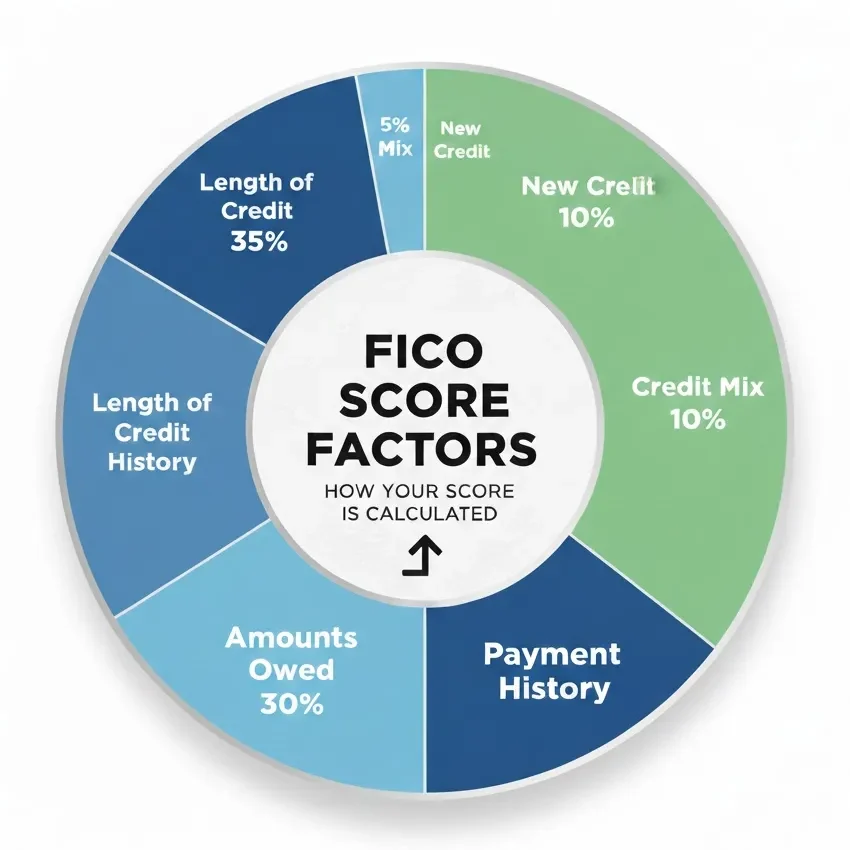
Several factors influence your credit score. Understanding these factors can help you manage your credit effectively.
- Payment History (35%): This is the most important factor. It reflects whether you’ve made past payments on time. Late payments, collections, and bankruptcies can significantly lower your score.
- Amounts Owed (30%): This factor considers the amount of debt you owe relative to your available credit. High credit utilization (the amount of credit you’re using compared to your credit limit) can negatively impact your score.
- Length of Credit History (15%): A longer credit history generally leads to a higher score. Lenders prefer to see a track record of responsible credit use.
- Credit Mix (10%): Having a mix of different types of credit, such as credit cards, installment loans, and mortgages, can positively impact your score.
- New Credit (10%): Opening too many new credit accounts in a short period can lower your score. Each credit application triggers a hard inquiry, which can slightly lower your score.
What is Considered a “Good” Credit Score?
Generally, a credit score of 700 or higher is considered good. A score in this range indicates that you’re a responsible borrower and are likely to be approved for loans and credit cards with favorable terms. However, the definition of “good” can vary depending on the lender and the specific financial product you’re applying for.
- For Mortgages: A score of 740 or higher is generally required to qualify for the best mortgage rates.
- For Auto Loans: A score of 700 or higher can help you secure a lower interest rate on an auto loan.
- For Credit Cards: A score of 670 or higher is typically required to get approved for most credit cards, but a score of 700 or higher is needed for the best rewards cards.
Tips for Improving Your Credit Score
If your credit score is not where you want it to be, there are several steps you can take to improve it:
- Pay Bills on Time: This is the most important step. Set up automatic payments or reminders to ensure you never miss a due date.
- Reduce Credit Card Balances: Aim to keep your credit utilization below 30%. Pay down your balances as much as possible each month.
- Don’t Open Too Many New Accounts: Avoid opening multiple credit accounts in a short period.
- Monitor Your Credit Report: Check your credit report regularly for errors and dispute any inaccuracies. You can get a free copy of your credit report from each of the three major credit bureaus annually at AnnualCreditReport.com.
- Become an Authorized User: If you have a friend or family member with a good credit history, ask if you can become an authorized user on their credit card. Their positive credit history can help improve your score.
- Consider a Secured Credit Card: If you have poor credit, a secured credit card can be a good way to rebuild your credit. These cards require a security deposit, which serves as your credit limit.
Maintaining a Good Credit Score
Once you’ve achieved a good credit score, it’s important to maintain it. Continue to practice responsible credit habits, such as paying bills on time, keeping credit utilization low, and monitoring your credit report regularly.
Conclusion
Understanding your credit score and how it’s calculated is essential for achieving your financial goals. By practicing responsible credit habits and taking steps to improve your score, you can access favorable financial products and secure your financial future. Remember to monitor your credit report regularly and address any issues promptly. A good credit score is a valuable asset that can open doors to many opportunities.